
Fixing Broken Irrevocable Trusts: The Power of Nonjudicial Settlement Agreements
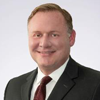
Alan D. Freer is a member of the management committee at Solomon, Dwiggins, Freer & Steadman, Ltd., where he focuses his practice primarily on trust and estate litigation. He represents beneficiaries, fiduciaries, and grantors in contested matters ranging from prelitigation assessment and negotiation through trial and appellate practice.

Ronald Fatoullah chairs the firm’s Elder Law Practice Group and is a Partner in the Trusts & Estates Practice Group. Prior to joining the firm, he founded Ronald Fatoullah & Associates, where for more than 35 years he led one of New York’s top Elder Law and Estate Planning firms
2 hour CLE
Get this course, plus over 1,000+ live webinars.
Learn More
Program Summary
What Will You Learn
Attorneys will learn to identify when an irrevocable trust has become dysfunctional and what corrective options, including NJSAs, decanting, and amendment, are available.
What Will You Gain
Attorneys will gain practical tools to repair broken trusts efficiently while minimizing litigation exposure and strengthening their ability to prevent future trust failures.
Key topics to be discussed:
- Nonjudicial agreements
- NJSAs allow modification of irrevocable trusts without court intervention.
- Statutory framework
- Governing statutes define what issues may be resolved outside of court.
- Fiduciary duties
- Trustees face breach exposure requiring practical risk-mitigation strategies.
- Consent requirements
- Beneficiary consent and virtual representation rules determine binding enforceability.
- Trust modification tools
- Decanting, amendment, and limited revocation address specific trust repair needs.
- Preventive drafting
- Common trust failures can be prevented through proactive drafting and administration.
 Closed-captioning available
Speakers
Alan D. Freer | Solomon, Dwiggins, Freer & Steadman, Ltd
Alan D. Freer is a member of the management committee at Solomon, Dwiggins, Freer & Steadman, Ltd., where he focuses his practice primarily on trust and estate litigation. He represents beneficiaries, fiduciaries, and grantors in contested matters ranging from prelitigation assessment and negotiation through trial and appellate practice. Alan has substantial experience challenging and defending the validity of estate planning documents, including wills, codicils, trusts, and amendments, and routinely handles claims involving breach of fiduciary duty, fraud, undue influence, lack of capacity, unjust enrichment, elder abuse, and closely held business disputes. He also advises fiduciaries in complex administrations, including multi-jurisdictional and international matters, and sophisticated business succession implementations. In recent years, he has been actively involved in domestic asset protection (spendthrift) trust litigation, representing creditors, trustees, beneficiaries, and grantors in both prosecuting and defending such matters.
Education & Credentials
- Alan is a Fellow of The American College of Trust and Estate Counsel (ACTEC). He holds an AV Preeminent Rating from Martindale-Hubbell and has been recognized in Best Lawyers in America since 2016. He is admitted to practice in Nevada and is an active member of the State Bar of Nevada.
Recognition & Leadership
- Alan has received multiple honors, including Lawyer of the Year for Southern Nevada in Trust and Estates (2020) and Trust and Estate Litigation (2017, 2021, and 2023). He has also been recognized as one of the Top 100 Lawyers in the Mountain States region by Super Lawyers from 2018 to the present. Within the State Bar of Nevada, he previously served a twelve-year term on the Standing Committee on Ethics and Professional Responsibility, including two years as committee chair, and currently serves on the Southern Nevada Disciplinary Board.
Professional Involvement
- Alan serves as co-chair of the Legislative Committee for the Probate and Trust Section of the State Bar of Nevada, a role he has held since 2014. He is also a long-standing mentor in the State Bar of Nevada’s Transitioning into Practice (TIP) Program, where since 2015 he has assisted newly licensed attorneys with Nevada-specific rules, ethics, and professional best practices.
Experience
- Alan concentrates on trust and estate litigation and administration, representing beneficiaries, fiduciaries, grantors, and creditors in contested matters. His practice includes prosecuting and defending claims involving breach of fiduciary duty, fraud, undue influence, competency and capacity disputes, accounting actions, fiduciary removal, unjust enrichment, elder abuse, and business succession conflicts. He also handles complex fiduciary administrations, including multi-jurisdictional and international matters, and is actively engaged in domestic asset protection trust litigation.
Ronald Fatoullah | Trusts & Estates Practice Group
Ronald Fatoullah chairs the firm’s Elder Law Practice Group and is a Partner in the Trusts & Estates Practice Group. Prior to joining the firm, he founded Ronald Fatoullah & Associates, where for more than 35 years he led one of New York’s top Elder Law and Estate Planning firms. Ron has dedicated his career to advising New Yorkers on the legal and financial challenges of aging, with recognized expertise in estate planning and administration, Medicaid planning, special needs planning, wills and trusts, probate, guardianships, and estate and guardianship litigation. A Certified Elder Law Attorney, he is widely respected for his leadership in the field and his longstanding service to professional and community organizations. He is also a frequent lecturer and media contributor on elder law and estate planning issues.
Education & Credentials
- Ron earned his J.D. from St. John’s University School of Law in 1976 and his B.A., summa cum laude, from the State University of New York at Buffalo in 1973. He is admitted to the New York State Bar and is a Certified Elder Law Attorney. He is also a Fellow of the National Academy of Elder Law Attorneys, the highest honor bestowed by the organization.
Recognition & Leadership
- Ron previously chaired the Executive Committee of the Elder Law Section of the New York State Bar Association and its Financial Planning and Investments Committee. He chaired the Board of the Alzheimer’s Association’s Long Island Chapter for over ten years and served on the Executive Council of AARP New York. He has been honored by numerous organizations for his achievements and contributions to the senior community. His insights have been featured in The New York Times, Newsday, The Wall Street Journal, the New York Law Journal, and Kiplinger’s, and he has appeared on numerous radio and television programs.
Professional Involvement
- Ron is a member of the New York State Bar Association, the New York City Bar Association, the Queens County Bar Association, and the Nassau County Bar Association. He lectures frequently on elder law, estate planning, and aging-related legal issues, contributing to the ongoing education of both attorneys and the broader community.
Experience
- For more than three decades, Ron has advised clients on estate planning and administration, Medicaid planning, special needs planning, probate, guardianships, and related litigation. As founder and principal of Ronald Fatoullah & Associates for over 35 years, he built and led a firm widely recognized as a leader in elder law and estate planning in New York. His practice continues to focus on addressing the complex legal and financial issues associated with aging, incapacity, and long-term care planning.
Agenda
SESSION 1 – Fixing Irrevocable Trusts with Nonjudicial Settlement Agreements | 1:00pm – 2:00pm
Drafting errors, changed circumstances, tax misfires, and administrative impracticalities can render irrevocable trusts unworkable. This session explains how nonjudicial settlement agreements allow to modify trusts without litigation, covering statutory limits, required parties, fiduciary duties, consent standards, drafting strategies, and enforceability.
BREAK | 2:00pm – 2:10pm
SESSION 2 – When Irrevocable Trusts Break Down | 2:10pm – 3:10pm
Even irrevocable trusts can become impractical due to funding errors, family conflict, tax consequences, or administrative burdens. This session helps attorneys diagnose failing trusts, fiduciary duties, manage liability risks, and implement corrective strategies, including decanting, notice procedures, and drafting techniques.
More CLE Webinars
Trending CLE Webinars










Upcoming CLE Webinars

© 2026 Hospitality Lawyer